


What We Do
How We Do it
TRENDING TOPICS
Get in Touch

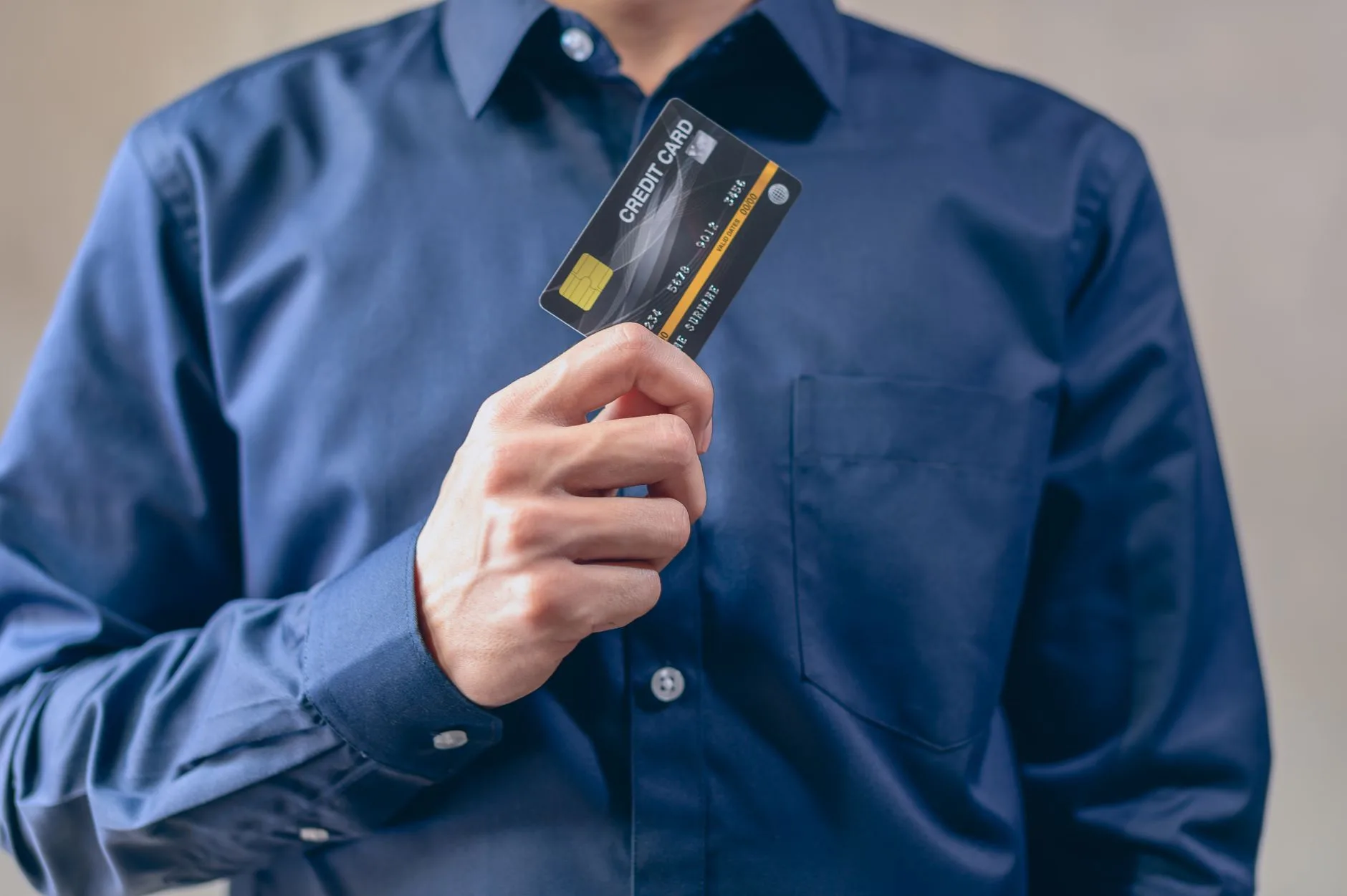
A single fraudulent transaction can cost a small business far more than the sale price. Between chargeback fees, lost inventory, and the administrative nightmare of disputing claims, payment fraud quietly drains thousands of dollars from small business owners every year. The good news? AI fraud detection for small business is finally affordable, fast, and accurate enough to catch bad actors before they ever hit "confirm purchase."
This week's wave of fintech reporting made one thing clear: AI-powered fraud prevention is no longer reserved for enterprise retailers with dedicated risk teams. Small businesses are now using machine learning tools that analyze transactions in real time, flagging suspicious activity in milliseconds instead of days.
Why Payment Fraud Hits Small Businesses Harder
Large corporations can absorb fraud losses as a line-item expense. Small businesses can't. A recent surge in card-not-present fraud, synthetic identity scams, and friendly fraud (chargeback abuse) has left many owners scrambling to manually review orders, delay shipments, or eat losses they can't afford.
- Chargeback fees often range from $20 to $100 per incident, regardless of outcome.
- Too many chargebacks can get a merchant account flagged or terminated.
- Manual fraud review eats hours that owners don't have.
- False declines on legitimate customers cost even more in lost revenue than fraud itself.
How AI Fraud Detection Actually Works
Unlike static rule-based systems that block a transaction because it came from an unfamiliar zip code, modern AI fraud detection tools evaluate hundreds of behavioral signals simultaneously. This is the real shift: fraud prevention has moved from rigid rules to adaptive pattern recognition.
Real-Time Risk Scoring
AI models assign every transaction a risk score based on device fingerprinting, typing behavior, purchase velocity, IP reputation, and historical customer patterns. High-risk orders get flagged for review or additional verification, while low-risk purchases sail through instantly — protecting both revenue and customer experience.
Behavioral Biometrics
Some tools now analyze how a user interacts with a checkout page — mouse movement, typing cadence, scroll speed — to distinguish a human shopper from a bot or a fraudster using stolen credentials. This layer catches sophisticated fraud that traditional filters miss entirely.
Chargeback Prediction
Perhaps the most valuable capability for small business owners is predictive chargeback scoring. AI reviews the transaction and customer history to estimate the likelihood of a future dispute, allowing merchants to proactively request additional verification or cancel high-risk orders before shipment.
What This Means for Small Business Owners
Small businesses adopting AI-driven fraud detection are reporting measurable results within the first few months:
- Significant drops in chargeback ratios, keeping merchant accounts in good standing
- Fewer false declines, meaning more legitimate sales get approved instead of rejected
- Hours saved weekly by automating manual order review
- Lower payment processing risk fees over time as chargeback history improves
For e-commerce shops, subscription businesses, and service providers who take payments online, this isn't a luxury — it's becoming table stakes for staying profitable and keeping payment processors happy.
Choosing the Right AI Fraud Detection Tool
Not every solution is built for small business budgets or complexity levels. When evaluating options, small business owners should look for:
- Easy integration with existing payment gateways and e-commerce platforms like Shopify, Stripe, or Square
- Transparent risk scoring so you understand why a transaction was flagged
- Adjustable thresholds to balance fraud prevention against customer friction
- Chargeback representment support to help fight disputes with compelling evidence automatically compiled by AI
- Scalable pricing that grows with transaction volume rather than requiring enterprise-level contracts
Common Mistakes to Avoid
Owners new to AI fraud detection sometimes set risk thresholds too aggressively, causing legitimate customers to get declined and damaging trust. Others rely solely on automation without a documented manual review process for edge cases. The most effective businesses treat AI as a co-pilot: it filters the noise, but a human still makes the final call on ambiguous cases.
The Bottom Line
Fraud isn't going away, but small businesses no longer have to fight it with spreadsheets, gut instinct, and outdated rule engines. AI fraud detection for small business gives owners enterprise-grade protection at a fraction of the cost, catching bad actors in real time while letting good customers through faster than ever.
If chargebacks, disputed payments, or manual order review are eating into your margins and your time, it's time to see what AI-powered fraud prevention can do for your business. At Kicks Digital Marketing — The Anti-Agency — we help small businesses cut through the noise and implement the right AI tools for real results, not empty hype. Reach out today and let's fraud-proof your revenue.
The average person spends nearly 20 hours a week on social media. How does yours rank?
Similar Posts
Sign up for updates.

Powered by Caffeine + Cocktails
© Kicks Digital Marketing. All Rights Reserved. | Privacy Policy
Knowledge
Company
© Kicks Digital Marketing. All Rights Reserved. | Privacy Policy